
Stomach & Intestine Cancers
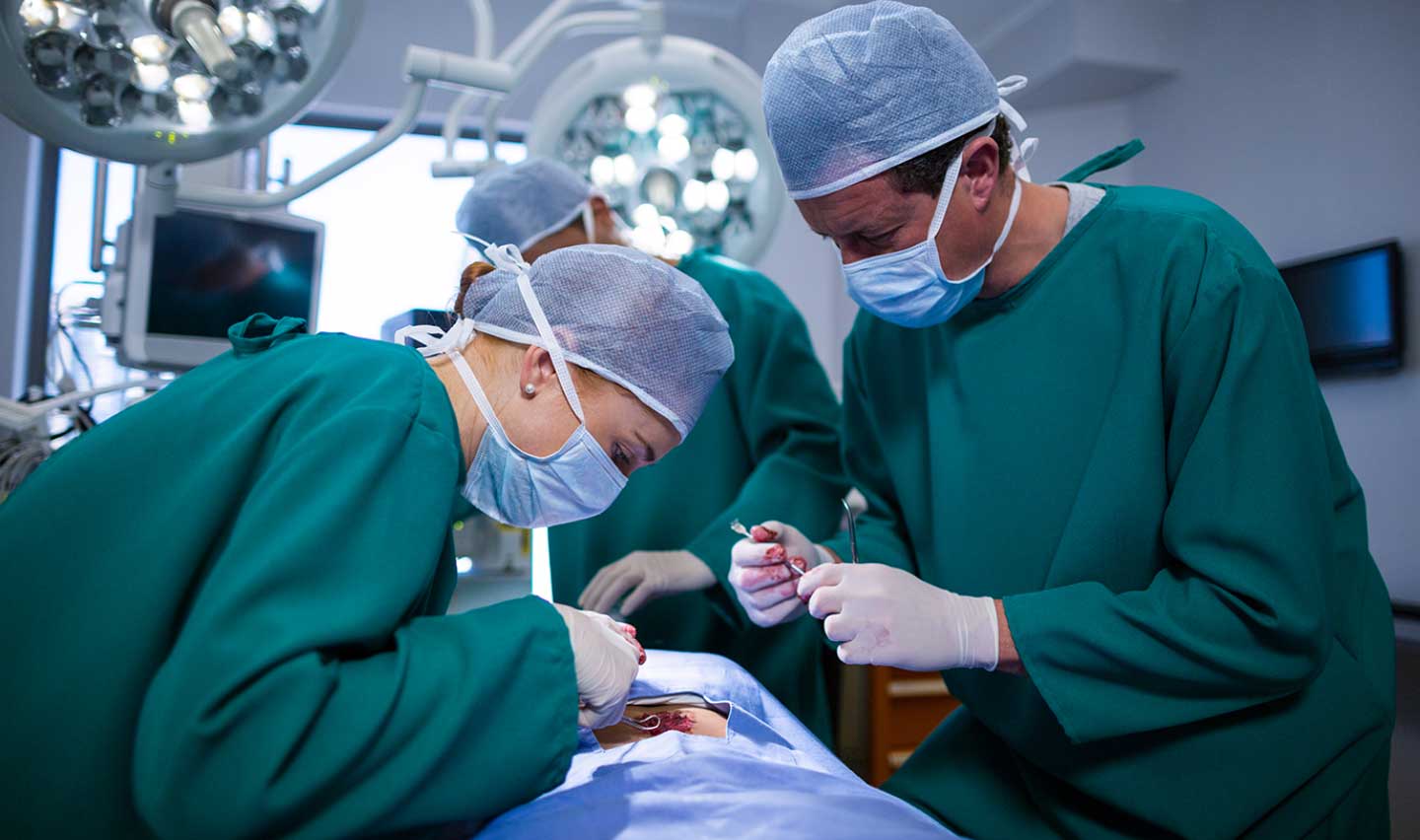
Understanding Stomach & Intestine Cancers
Stomach and intestine cancers develop when abnormal cells grow uncontrolled in the lining of the stomach, small intestine, colon or rectum. In the early stages they often cause few or vague symptoms, which is why persistent digestive problems should never be ignored.
The good news is that early diagnosis greatly improves treatment options. For most patients, surgery to remove the tumour is a key part of treatment, and it may be combined with chemotherapy or radiation planned together with oncology specialists.
- Early and accurate diagnosis
- Complete surgical removal of the tumour where possible
- Minimally invasive (laparoscopic) surgery where suitable
- Coordinated care with oncology specialists
- Long-term follow-up and support
Warning Signs You Should Not Ignore
These symptoms can have many causes, but if they persist for more than a couple of weeks, please get evaluated by a surgeon.
Persistent indigestion, heartburn or upper abdominal pain
Unexplained weight loss and loss of appetite
Blood in stools, black stools or vomiting blood
A lasting change in bowel habits — constipation or diarrhoea
Constant tiredness or anaemia without a clear cause
Difficulty swallowing, bloating or a feeling of fullness after small meals
Types of Stomach & Intestine Cancers
Treatment is planned according to where the cancer is, how far it has spread and your overall health.
Stomach (Gastric) Cancer
Cancer that begins in the lining of the stomach. Surgery may involve removing part or all of the stomach (gastrectomy) along with nearby lymph nodes.
Colon Cancer
Cancer of the large intestine. The affected section of the colon is removed (colectomy) and the healthy ends are joined back together.
Rectal Cancer
Cancer in the last part of the large intestine. Treatment is carefully planned to remove the tumour while preserving bowel function wherever possible.
Small Intestine Tumours
Less common growths of the small bowel, treated by removing the affected segment of the intestine after thorough evaluation.
How We Treat Stomach & Intestine Cancers at Master Surgeon
Led by Dr. S. Ravi Kumar, our team guides you from first consultation through surgery and long-term follow-up, with honest, clear communication at every step.
Consultation & Evaluation
A detailed history and examination, with a clear discussion of your symptoms and concerns.
Expert ConsultationEndoscopy, Biopsy & Imaging
Endoscopy or colonoscopy with biopsy, along with scans, to confirm the diagnosis and stage of the disease.
Accurate StagingPersonalized Treatment Plan
Your surgeon explains the options, including surgery and any chemotherapy or radiation planned with oncology specialists.
Clear GuidanceSurgery
Careful tumour removal by an experienced team, using a laparoscopic approach where it is suitable and safe.
Precision & SafetyPost-Operative Care
Pain relief, nutrition support and early mobilisation to help you recover steadily.
Supported RecoveryFollow-Up & Surveillance
Regular reviews and check-ups after treatment, with 24x7 support for any concern.
Ongoing SupportStomach & Intestine Cancers — Frequently Asked Questions
Is surgery the main treatment for stomach and intestine cancers?
For many patients surgery is the main treatment, as removing the tumour offers the best chance of control. Depending on the stage, it may be combined with chemotherapy or radiation. Your surgeon will explain the plan that suits you after complete evaluation.
Can stomach or colon cancer surgery be done laparoscopically?
In suitable cases, yes. Laparoscopic (keyhole) surgery can mean smaller incisions, less pain and a quicker recovery. Whether it is appropriate depends on the location and stage of the tumour, and your surgeon will advise you.
How is the diagnosis confirmed?
Usually with an endoscopy or colonoscopy, where a small tissue sample (biopsy) is taken and examined, along with imaging such as a CT scan to check how far the disease has spread.
Who should get screened?
Anyone with persistent digestive symptoms, blood in stools, or unexplained weight loss should be evaluated. People with a family history of stomach or colon cancer, or those above 45–50 years, should ask their doctor about screening.
How long is the recovery after surgery?
It varies with the type of operation and your general health. Hospital stay is usually several days, and full recovery takes some weeks. Our team will give you a clear diet, activity and follow-up plan.
Get It Checked in Confidence
Speak to our surgical team for a clear diagnosis and a treatment plan that fits you. Our helpline is available 24x7.
Call +91 96767 17852